AnyCoins logoAnyCoins

State quarter · 1999 · Philadelphia

1999 Delaware Spitting Horse Quarter: What It’s Really Worth

The 1999 Delaware “spitting horse” quarter is a real die-crack variety, but it’s more common than people think: eBay buyers paid $2 to $6 for them in August to October 2026, and dealer guides put uncirculated ones at about $20 to $25. The “worth hundreds” stories come from a brief spike in 1999. Look for a raised line from the horse’s mouth.

Updated October 22, 2026 · 5 sources

Scan your coin with AnyCoinsFree on iPhone · first 3 appraisals on us
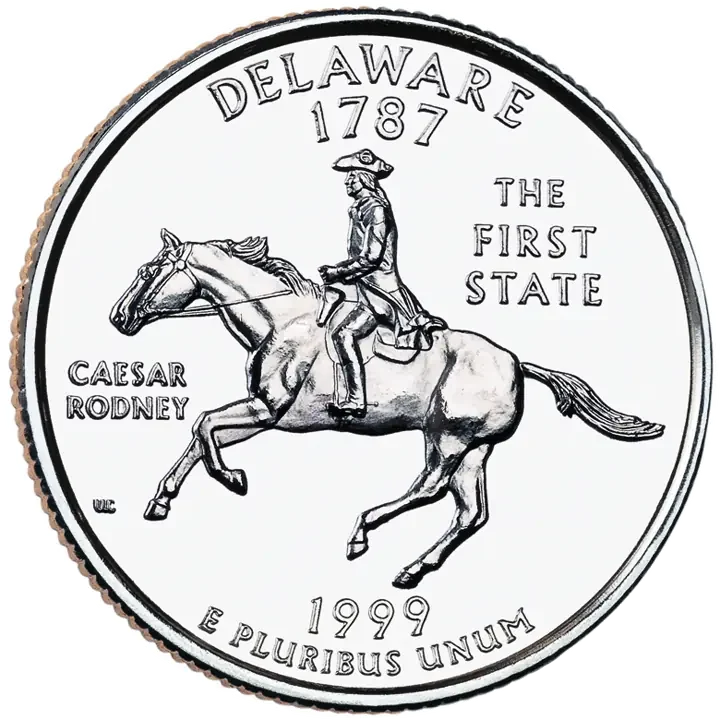
The back of a 1999 Delaware quarter showing Caesar Rodney on horseback
1999 Delaware quarter, the horse and rider
Year and mint
1999, Philadelphia (P on the heads side)
What’s different
A die crack: a raised line from the horse’s mouth
How many
Unknown; “probably several thousand” found
Out of
373,400,000 1999-P Delaware quarters
Grading
No separate PCGS or NGC variety listing
Metal
Copper-nickel clad · 5.67 g · 24.30 mm

What it’s worth

Unlike the other coins in our guides, this one is usually worth a few dollars. These are real eBay sales and current dealer guide prices.

ConditionPriceSale
Circulated, ungraded$2.00eBay, August 2026 · source
Circulated, ungraded$2.99eBay, October 2026 · source
Circulated, ungraded$6.00eBay, September 2026 · source
VF to XF, circulated$10 to $15Gainesville Coins price guide, 2025 · source
MS63 to MS65, uncirculated$20 to $25Gainesville Coins price guide, 2025 · source

We found no auction-house or certified sale of a spitting horse quarter, and no sale for hundreds of dollars. When it was first found in 1999 examples reportedly sold for $250 to $500, but more turned up than expected and prices fell (Gainesville Coins).

How to tell if you have one

  1. Check it’s a 1999 Delaware quarter with a P on the heads side.
  2. Turn it over to Caesar Rodney on horseback and look at the horse’s mouth. On a spitting horse, a thin line runs from the mouth down toward the word CAESAR, so the horse looks like it’s spitting.
  3. Use a magnifier. A die crack is a raised line that’s part of the coin and follows a natural path. A scratch is a groove cut into it.
  4. The line can be thin on some coins and thicker on others, because the crack grew as the die kept striking.
  5. Grading usually costs more than the coin is worth, so keep it as a fun find unless it’s in exceptional condition.
1999 Delaware quarter, horse and rider
Look at the mouth. The crack runs down from it toward CAESAR.
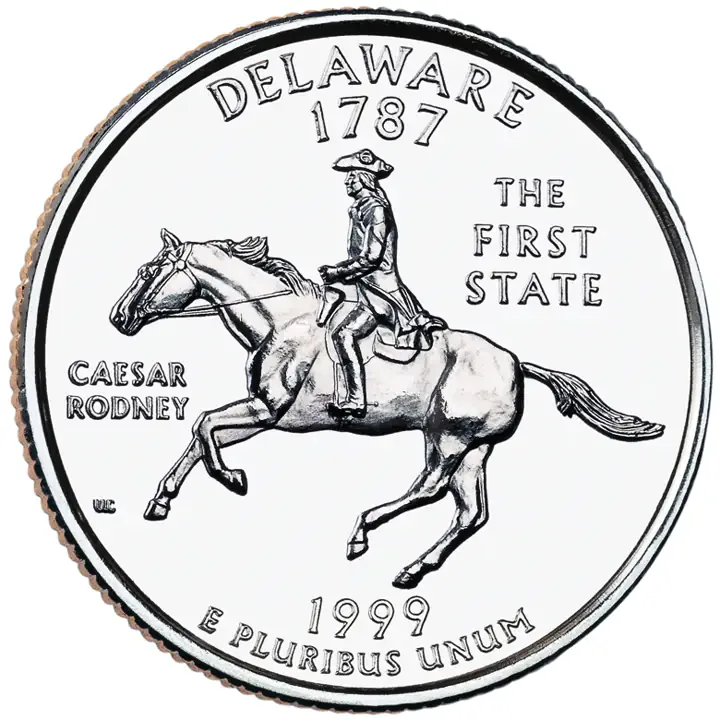
The standard 1999 Delaware quarter design
The design as the Mint made it. Image: US Mint

Coins that fool people

A scratch

Sunk into the surface with raised metal along its edges. Many “spitting horses” sent in for checking turn out to be damage worth face value.

Other die cracks

Die cracks on state quarters are fairly common. Only the crack from the horse’s mouth is the named spitting horse.

The missing E

A separate Delaware oddity where the E in THE FIRST STATE is faint or missing, thought to be a filled die.

The story

The 1999 Delaware quarter was the first coin in the 50 State Quarters program. Its design shows Caesar Rodney’s 1776 ride to Philadelphia to break Delaware’s tie vote on independence.

On some Philadelphia coins, a crack in the die left a raised line running from the horse’s mouth, and collectors nicknamed it the spitting horse.

In the excitement of the first state quarter, early examples reportedly sold for $250 to $500. Then more and more turned up, and prices settled at a few dollars.

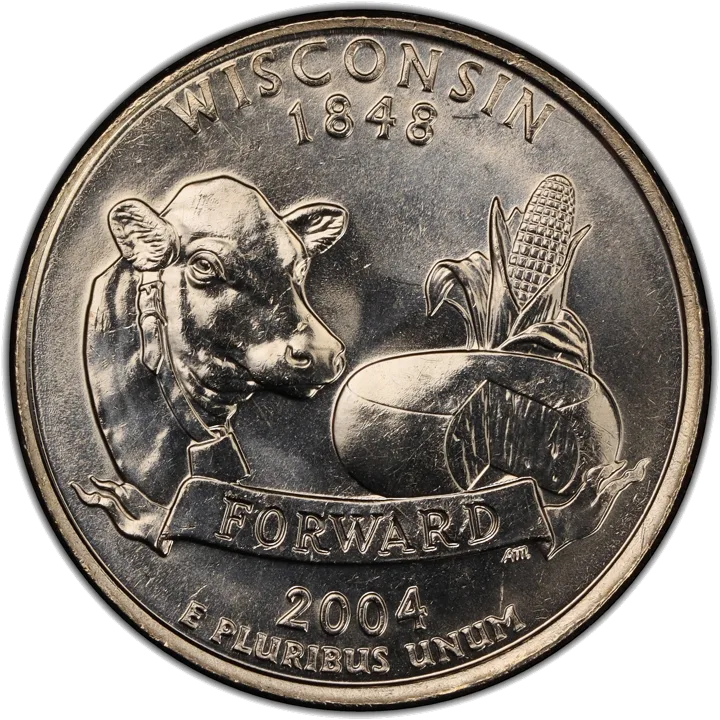
It’s a good example of why a named error isn’t always a valuable one. The coins that really are worth money, like the 2004-D Wisconsin extra leaf, were made in much smaller numbers.

Is your error worth anything? Scan it first.

Some errors are worth thousands, some are worth a few dollars. AnyCoins shows real sale prices for your coin, so you don’t pay for grading or list it at a price nobody will pay.

  1. Open AnyCoins and photograph the heads side, then the tails side, in good light.
  2. AnyCoins identifies the coin and checks it for known errors and varieties.
  3. You see its condition estimate, a price range by condition and what the same coin has sold for.
Download on the App Store

Why collectors use AnyCoins

  • Photograph both sides and it names the coin: country, year, mint and denomination.
  • Values from real sales: a price range by condition and recent sales of the same coin, not a guess.
  • A condition estimate from your photos, so you know which row of the price table you’re in.
  • Checks the coin for known errors and varieties, the kind that turn a cent into thousands.
  • Melt value for silver and gold, and the mint that struck it on the Mint Map.

Questions people ask

How much is a 1999 spitting horse quarter worth?

Usually a few dollars. Sold eBay examples in August to October 2026 went for $2.00 to $6.00, and dealer guides put uncirculated ones at about $20 to $25.

Is the spitting horse quarter rare?

Not very. It’s a die crack, and one estimate is that “probably several thousand” have been found. It proved more common than first thought.

Was it ever worth hundreds?

Reportedly, for a short time in 1999 when it was first discovered, examples sold for $250 to $500. Current sales don’t support those prices.

Is it worth getting graded?

Usually not. Grading fees would normally be more than the coin is worth, and PCGS has no separate listing for the variety.

Sources

  1. PriceCharting: 1999-P Delaware sold listings, including spitting horse examples
  2. Gainesville Coins: Rare State Quarters Worth Money (updated 2025)
  3. US Coins Guide: Delaware quarter error, the spitting horse (updated 2026)
  4. CoinWeek: United States 1999 Delaware 50 State Quarter
  5. PCGS CoinFacts: 1999-P Delaware quarter (#5944)

Prices are public auction results including the buyer’s premium unless marked as a price guide. A coin’s value depends on its exact condition and on having it certified by a grading service such as PCGS or NGC.