Guide · How to read a coin
Doubled Die or Machine Doubling? How to Tell the Difference
A doubled die has the doubling built into the die, so every coin it strikes shows raised, rounded second images with split corners, and the famous ones sell for thousands: a worn 1955 doubled die brought $2,379 in 2026. Machine doubling happens when a loose die bounces during the strike. It’s flat and shelf-like, very common, and adds no value.
- Doubled die
- Made in the die; every coin from it is identical
- Machine doubling
- Made during the strike; flat, varies coin to coin, no premium
- Die wear doubling
- Mushy, from a worn-out die; little or no premium
- Famous examples
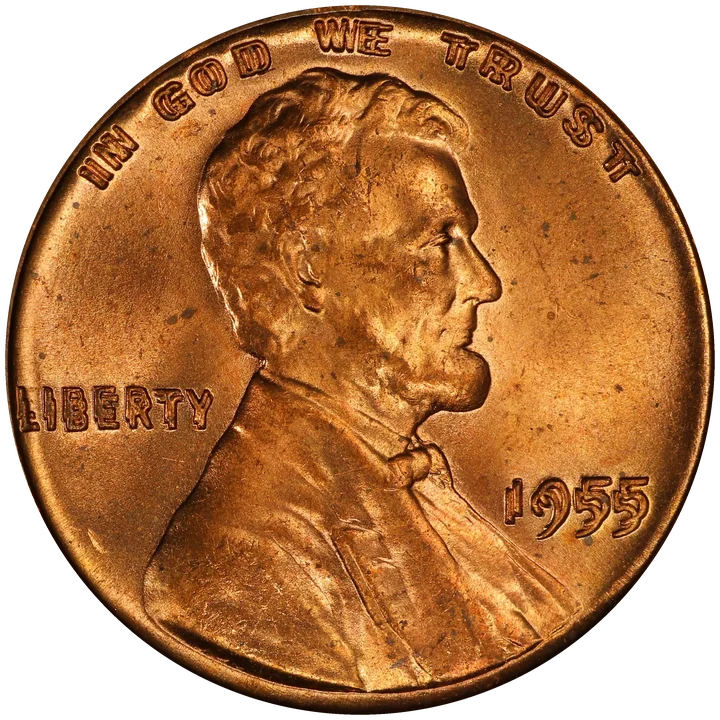
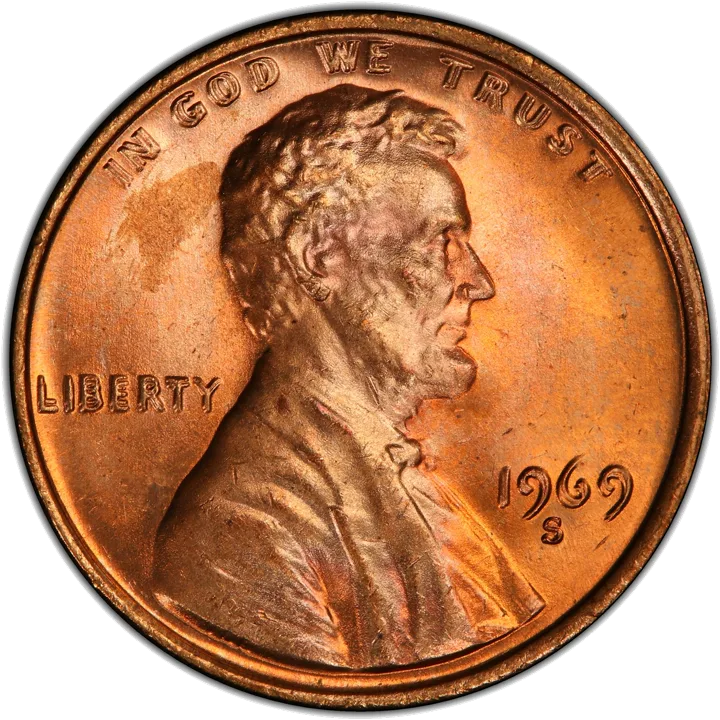
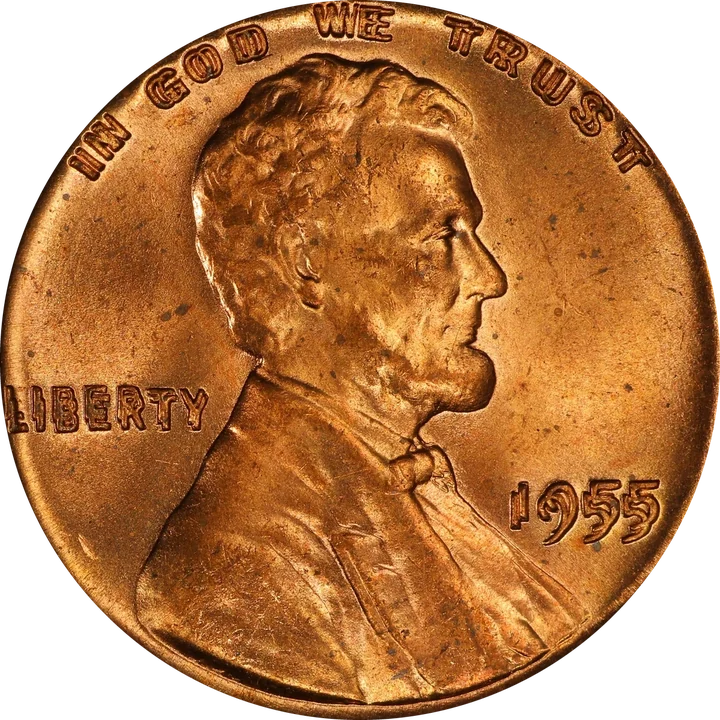
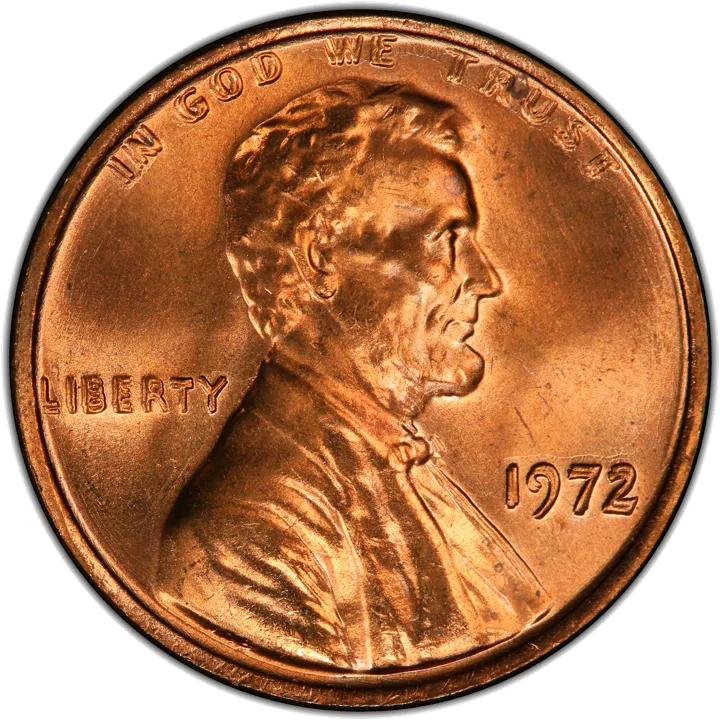
- 1955, 1972 and 1969-S pennies
- Big ones mostly end
- 1997, when single-squeeze hubbing was fully in place
- Tool to use
- A 5x to 10x magnifier and good light
How a doubled die happens
Coins are struck by dies, and dies are made by pressing a hub (the design in raised form) into a steel blank. For most of the 20th century one press couldn’t push the design deep enough, so the die was pulled out, softened in an oven and pressed again, sometimes many times.
If the hub and die weren’t lined up exactly between pressings, turned or shifted even slightly, the die took two overlapping images. That’s a doubled die, and every coin it strikes carries the same doubling. The 1955 doubled die is the classic case: one Philadelphia die got misaligned impressions and went into service during a penny shortage.
By 1997 both main mints made dies with a single press stroke, which ended the big doubled dies. Smaller ones still happen now and then, when the hub slides into place or the press is stopped and restarted.
Four checks: doubled die or machine doubling
- Shape. On a doubled die the second image is raised and rounded, just like the first, with a clear notch or split where the corners of the letters separate. Machine doubling is flat and low, like a shelf or step beside the letter, and the corners don’t split.
- Consistency. Every coin from a doubled die shows the identical doubling. Machine doubling is different on every coin, because every bounce is different.
- Direction. Real doubling goes the same way on every affected letter.
- The mint mark. On pennies through 1983 the mint mark was punched into each die by hand after it was made. If the S or D is doubled too, it’s machine doubling. That’s why a real 1969-S doubled die has a single, undoubled S.
Two more tells: shiny doubling on an uncirculated or proof coin is always machine doubling, and mushy, worn-looking doubling on one digit (often the last 5 of a 1955 penny) is die wear, not a doubled die.
Famous doubled die pennies and what they sell for
| Coin | Where to look | Worn or lower grade | Record |
|---|---|---|---|
| 1955 doubled die | Date, LIBERTY, IN GOD WE TRUST; no mint mark | $2,379 (AU55, Heritage, 2026) | $320,625 (MS65+ Red, 2025) |
| 1969-S doubled die | Date, LIBERTY, motto; the S is not doubled | $19,800 (AU55, GreatCollections, 2014) | $601,875 (MS66 Red, 2023) |
| 1972 doubled die | All four date digits, LIBERTY, motto; no mint mark | $198 (AU50, Heritage, 2025) | $14,400 (MS67+ Red, 2019) |
| 1983 doubled die reverse | ONE CENT, E PLURIBUS UNUM and the back lettering | $360 (MS65 Red-Brown, Stack’s Bowers, 2024) | $7,050 (MS68 Red, Heritage, 2017) |
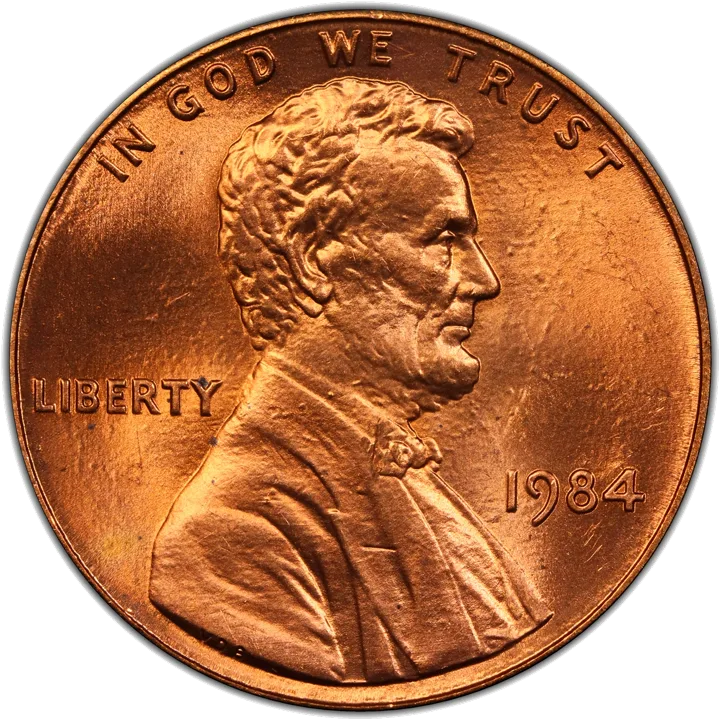
| 1984 “doubled ear” | A second earlobe below Lincoln’s ear | $395 (MS65 Red, 2021) | $3,910 (MS68 Red, Heritage, 2009) |
| 1995 doubled die | LIBERTY and IN GOD WE TRUST | About $5 circulated (PCGS guide) | $5,052.50 (MS69 Red, Heritage, 2017) |
Prices are auction results including the buyer’s premium unless marked as a guide. The 1995 is the most common: perhaps 300,000 to 500,000 were struck.
Coins that fool people
Machine (strike) doubling
Flat, shelf-like, low to the field, with no split corners; different on every coin. By far the most common kind, and worth face value.
Die wear doubling
Mushy doubling from a worn-out die, often on the last 5 of 1955 pennies (the “poor man’s doubled die”). It’s not related to the real 1955 doubled die.
A fake 1955 doubled die
Any 1955 doubled die with a D or S under the date is fake: they were all struck in Philadelphia, with no mint mark.
The Wisconsin “extra leaf”
A single extra leaf on the 2004-D Wisconsin quarter is a gouge in the die, not a doubled image. See the Wisconsin extra leaf.
Doubled-looking coin? Check it against the known varieties.
Thousands of doubled-looking coins are sent in every year, and most are machine doubled. AnyCoins checks your coin against the listed doubled dies for its date and shows what the real variety sells for.
- Open AnyCoins and photograph the heads side, then the tails side, in good light.
- AnyCoins identifies the coin and checks it for known errors and varieties.
- You see its condition estimate, a price range by condition and what the same coin has sold for.

Why collectors use AnyCoins
- Photograph both sides and it names the coin: country, year, mint and denomination.
- Values from real sales: a price range by condition and recent sales of the same coin, not a guess.
- A condition estimate from your photos, so you know which row of the price table you’re in.
- Checks the coin for known errors and varieties, the kind that turn a cent into thousands.
- Melt value for silver and gold, and the mint that struck it on the Mint Map.
Questions people ask
What is the difference between a doubled die and machine doubling?
A doubled die is in the die itself, so every coin from it shows the same raised, rounded doubling with split corners. Machine doubling happens during the strike when a loose die bounces; it’s flat and shelf-like and adds no value.
Is a double die penny worth money?
Real listed varieties are: a 1955 doubled die sold for $2,379 in AU55 in 2026, a 1972 for about $200 to $300 worn, and a 1995 for about $5 circulated. Machine-doubled pennies are worth one cent.
Can doubled dies still happen today?
Yes, but rarely and mostly minor. Since 1997 dies are made with a single press stroke, which can still double if the hub slides into place or the press is restarted.
Why does the mint mark matter when checking doubling?
On pennies through 1983 the mint mark was punched into each die by hand after it was made, so a doubled mint mark points to machine doubling, not a doubled die.
Sources
- NGC: Doubled Dies vs. Machine Doubling
- CONECA: The 9 Classes of Doubled Dies
- Wexler’s Coins and Die Varieties: Doubled Dies
- Error-Ref: Doubled Dies
- Error-Ref: Die deterioration doubling
- Numismatic News: Doubling value depends on its cause
- PCGS: The 1995 Doubled Die Lincoln Cents (2020)
- PCGS CoinFacts: 1983 1C Doubled Die Reverse, RD (#3056)
- CoinWeek: The Penny That Taught America to Check Its Change (2026)
- Numismatic News: Lincoln Cent Die Varieties Set Records
Prices are public auction results including the buyer’s premium unless marked as a price guide. A coin’s value depends on its exact condition and on having it certified by a grading service such as PCGS or NGC.