Guide · How to read a coin
Mint Marks: What the Letter on Your Coin Means
A mint mark is the small letter that tells you which US Mint made the coin: P Philadelphia, D Denver, S San Francisco and W West Point today, plus CC Carson City, O New Orleans, C Charlotte and D Dahlonega on older coins. No letter usually means Philadelphia. The letter rarely adds value by itself, but on a scarce date it can turn a coin worth cents into one worth thousands.
- Mints today
- Philadelphia (P), Denver (D), San Francisco (S), West Point (W)
- First mint marks
- 1838, when the first branch mints opened
- No letter
- Usually Philadelphia; cents never have a P except 2017
- No marks at all
- Coins dated 1965, 1966 and 1967
- Moved to the front
- 1968, on every denomination
- First W in change
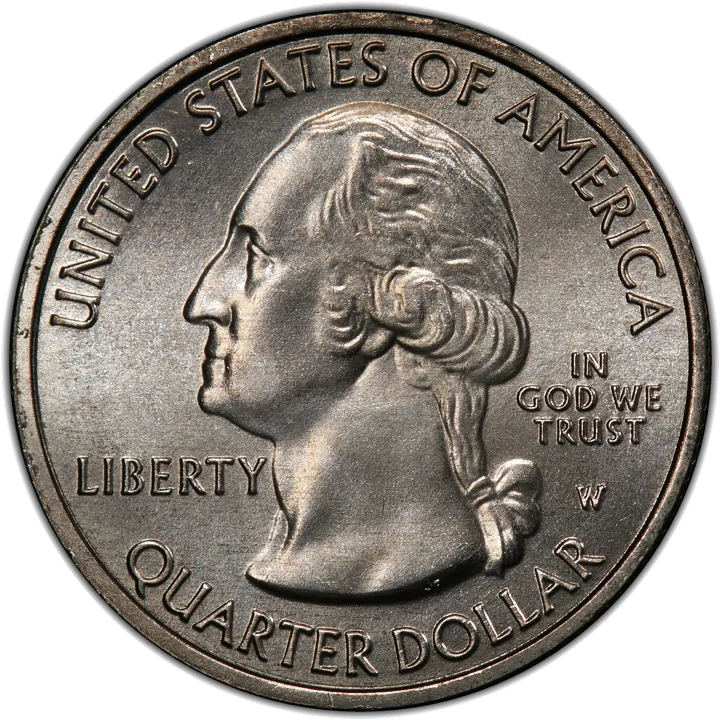
- 2019 quarters, 2 million of each design
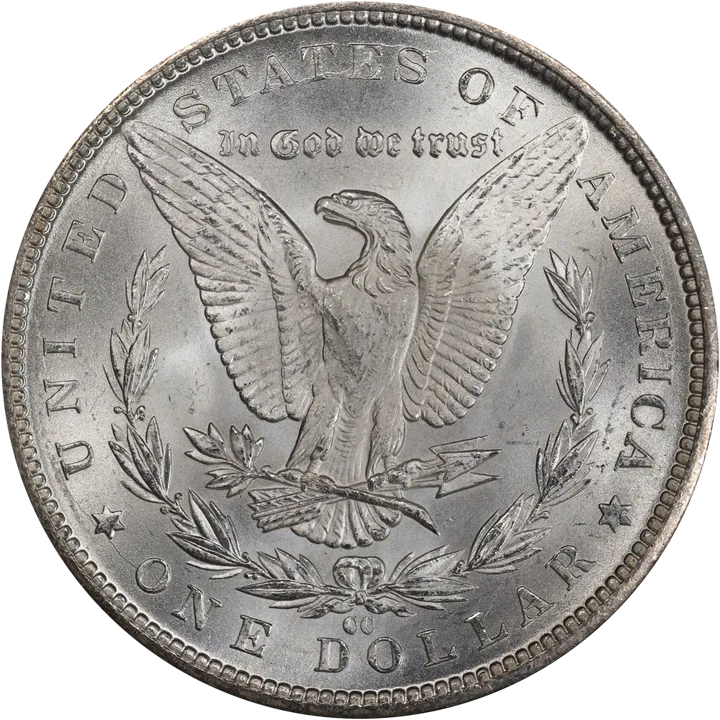
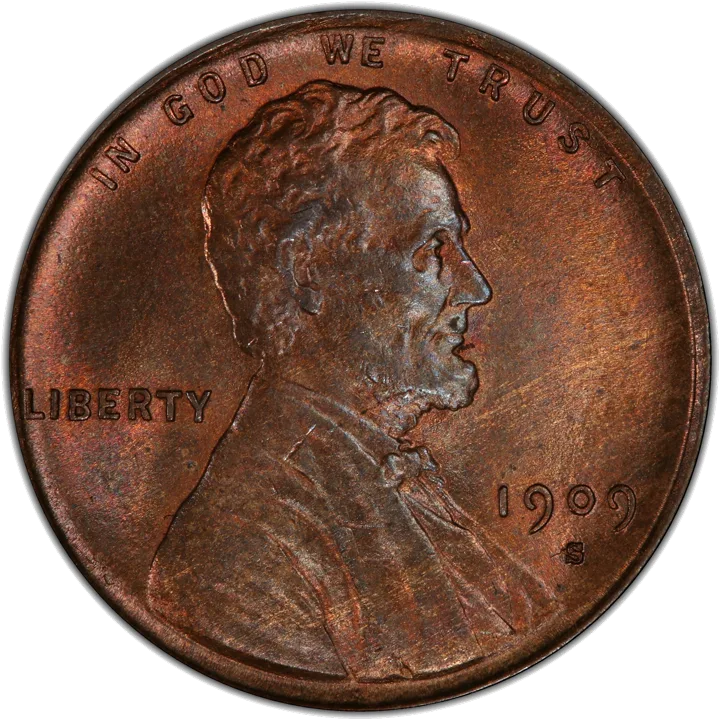
Where to find the mint mark
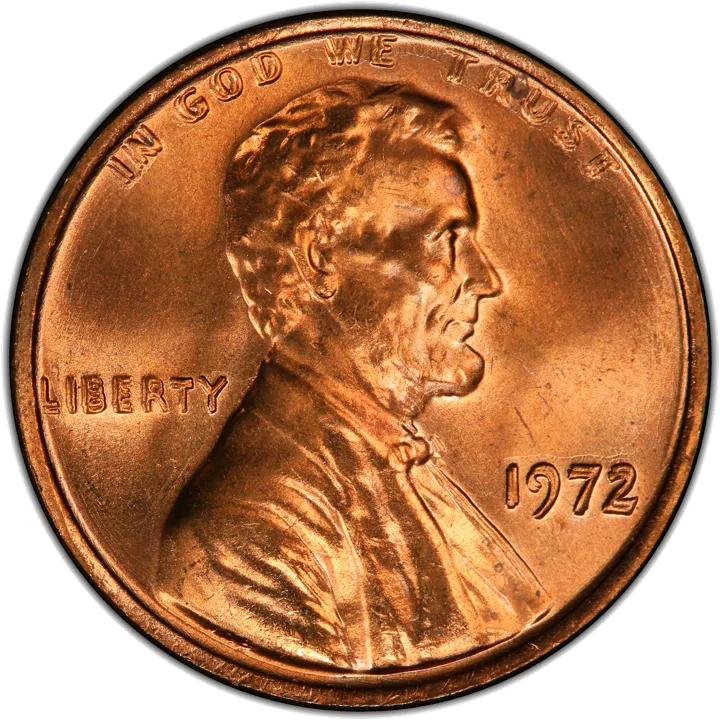
- Pennies (any year): on the front, under the date. Lincoln cents have always had it there, including the old wheat pennies.
- Nickels, dimes and quarters from 1968 on: on the front, near the portrait. The Mint moved every mint mark to the front in 1968 “to achieve uniformity”.
- Jefferson nickels: on the back, right of Monticello, in 1938–41 and 1946–64; a big P, D or S over Monticello’s dome in 1942–45, when nickels contained silver; on the front below the date from 1968 (above it in 2005 only).
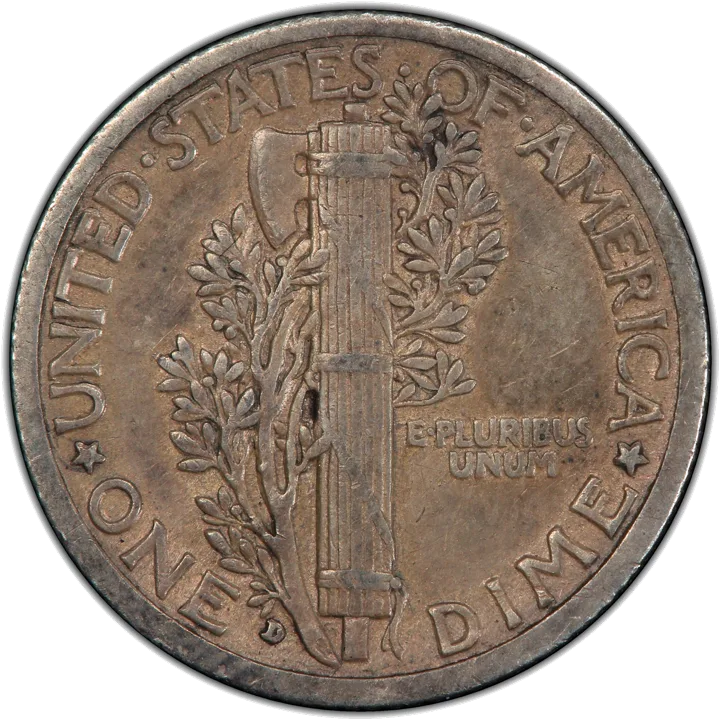
- Roosevelt dimes: on the back, at the lower left of the torch, in 1946–64; on the front above the date from 1968.
- Kennedy half dollars: on the front under the portrait from 1968.
- Presidential and Native American dollars: on the edge, in the lettering.
The rules people get wrong
- No letter usually means Philadelphia. Philadelphia coins had no letter until the 1942–45 war nickels. The P came back on the 1979 dollar and on every coin except the cent from 1980.
- Pennies never have a P, except those dated 2017, a one-year tribute to the Mint’s 225th anniversary.
- 1965, 1966 and 1967 coins have no mint mark at all. The Coinage Act of 1965 removed them to discourage hoarding during a coin shortage; they came back on 1968 coins.
- Some coins with no letter weren’t made in Philadelphia. San Francisco and West Point struck unmarked pennies in the 1970s and 1980s that look exactly like Philadelphia ones.
- A doubled mint mark isn’t a doubled die. On pennies through 1983 the mark was punched in after the die was made, so a doubled-looking letter means machine doubling. See doubled dies vs machine doubling.
Which mint marks make a coin worth more
The letter matters only when that mint made very few of a date:
- 1909-S VDB penny: 484,000 made at San Francisco, against 27,995,000 at Philadelphia. Even worn ones sell for about $750, and the record is $345,375.
- 1916-D Mercury dime: only 264,000 made, the lowest of the series. PCGS says even very low grade ones sell for over $1,000. It’s often faked by adding a D to a 1916 Philadelphia dime.
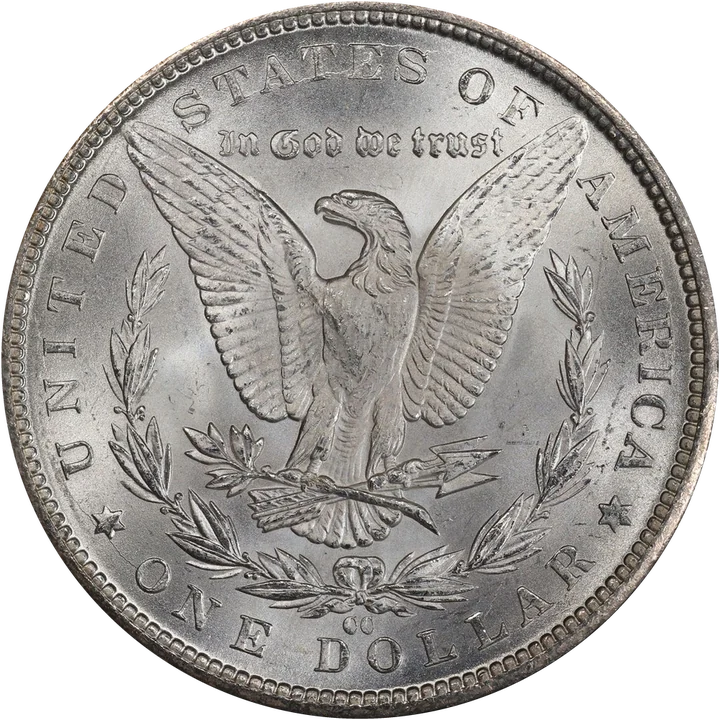
- Carson City (CC) Morgan dollars: the 1889-CC had just 350,000 made, and one sold for $881,250 in 2013.
- 2019-W quarters: 2 million of each design against hundreds of millions from P and D. Most sell for a few dollars, but the best have brought far more.
- A missing letter can be the prize: the 1990 No S proof penny and the 1922 “No D” penny are both valuable because the mint mark is missing.
Every US mint mark
| Mark | Mint | Years | What it struck |
|---|---|---|---|
| none or P | Philadelphia, PA | Since 1793. The P appeared on 1942–45 nickels, the 1979 dollar, and every coin but the cent from 1980; on cents only in 2017 | Every denomination. It also makes the master hubs for every US coin |
| D | Denver, CO | 1906 to today | Circulating coins of every current denomination |
| S | San Francisco, CA | 1854–1955, then 1968 to today | Gold and silver in the Gold Rush era; today mostly proof and collector coins |
| W | West Point, NY | 1984 to today (first on a circulating coin in 2019) | Mostly bullion and collector coins |
| CC | Carson City, NV | 1870–1893 | Gold and silver coins from Comstock Lode metal |
| O | New Orleans, LA | 1838–1861 and 1879–1909 | Gold and silver |
| C | Charlotte, NC | 1838–1861 | Gold only |
| D (on gold) | Dahlonega, GA | 1838–1861 | Gold only. A D on gold dated 1861 or earlier is Dahlonega, not Denver |
From the US Mint’s mint marks page and its January 4, 1968 release, with NGC and CoinWeek for the Southern gold mints.
Coins that fool people
An added mint mark
Fakers glue or solder a D onto a 1916 Philadelphia dime, or an S onto a 1909 VDB penny. The wrong position, size or shape, or a seam around the letter, gives it away.
A doubled mint mark
On pennies through 1983, a doubled mint mark means machine doubling, not a valuable doubled die.
A worn-away mint mark
Heavy wear or damage can hide a letter. A coin that should have a mark but doesn’t needs a close look under a magnifier before you call it an error.
Let AnyCoins read the mint mark
Tiny letters are easy to miss and easy to misread. AnyCoins identifies the year and mint from your photos and tells you whether that combination is one of the valuable ones.
- Photograph the heads side, then the tails side, in good light.
- AnyCoins reads the date and mint mark and pins the coin to the mint that struck it.
- You see whether that date and mint is scarce, and what the same coin has sold for.

Why collectors use AnyCoins
- Photograph both sides and it names the coin: country, year, mint and denomination.
- Values from real sales: a price range by condition and recent sales of the same coin, not a guess.
- A condition estimate from your photos, so you know which row of the price table you’re in.
- Checks the coin for known errors and varieties, the kind that turn a cent into thousands.
- Melt value for silver and gold, and the mint that struck it on the Mint Map.
Questions people ask
What does no mint mark on a coin mean?
Usually Philadelphia. Philadelphia coins had no letter until 1980 (except 1942–45 nickels and the 1979 dollar), and pennies still have none except 2017. Coins dated 1965–1967 have no mint mark from any mint.
What does the D on a coin mean?
Denver, from 1906 to today. On a gold coin dated 1838–1861 it means Dahlonega, Georgia.
Why don’t pennies have a P?
When the P returned in 1980 it went on every denomination except the cent, and that’s still true. The only P pennies are dated 2017, for the Mint’s 225th anniversary.
When did the W mint mark appear on quarters?
2019, the first W on any circulating coin: 2 million each of five America the Beautiful designs, mixed in with regular quarters.
Does a mint mark make my coin valuable?
Only on scarce dates. A 1916-D dime sells for over $1,000 even worn; a modern D quarter is worth 25 cents.
Sources
- US Mint: Mint Marks
- US Mint: Mint Marks (2020 version, archived)
- US Mint: Mint Marks Restored to Coins (press release, January 4, 1968)
- CoinWeek: Five Mint Mark Positions on Jefferson Nickels (2021)
- Coin World: Know your U.S. coins, Roosevelt dimes (2015)
- NGC: When US Coins Were Minted in Georgia (Jeff Garrett, 2021)
- CoinWeek: Collecting Southern American Gold Coins
- Coin World: U.S. Mint strikes West Point quarters for circulation (2019)
- PCGS CoinFacts: 1916-D dime (#4906)
- PCGS CoinFacts: 1889-CC Morgan dollar (#7190)
Prices are public auction results including the buyer’s premium unless marked as a price guide. A coin’s value depends on its exact condition and on having it certified by a grading service such as PCGS or NGC.